Certified Locksmith: Knowing When to Contact the Professionals for Your Security Requirements
A professional locksmith plays an essential role in ensuring security. A large number of people tend to ignore the indicators that suggest a need for specialist support. Issues like a faulty lock or the consequences of a security breach can jeopardize safety. Knowing when to reach out to a professional is vital. As potential dangers develop, so do the solutions. What aspects should be assessed before reaching out for help?
Recognizing the Signs: When You Need a Locksmith
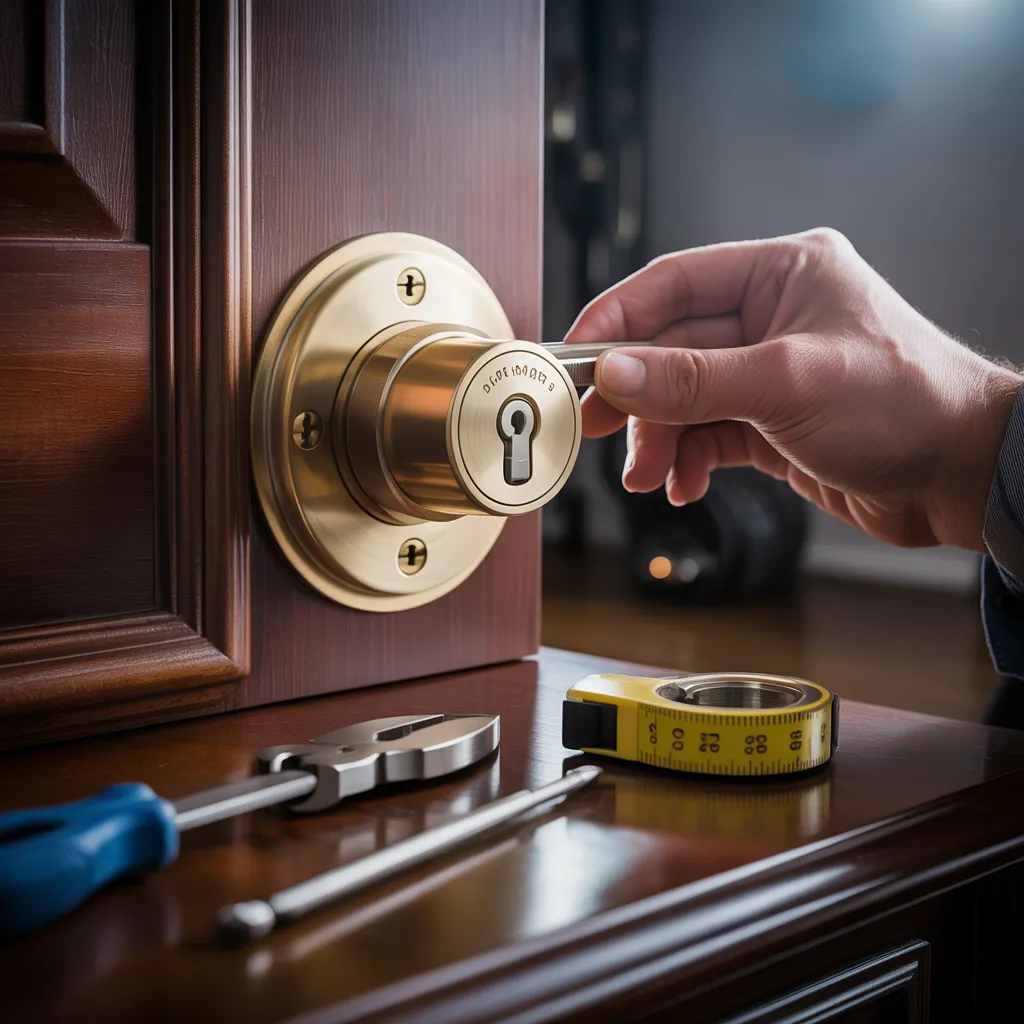
When should one consider calling a locksmith? A person may find it necessary to contact a locksmith when they encounter issues with their locks or security systems. Symptoms including a broken key lodged in the lock or a lock that is increasingly challenging to turn serve as clear warning signs of trouble. Moreover, when a person is repeatedly faced with lockout situations, it may be time to seek the services of a professional locksmith.
Moreover, after moving into a new home, it is advisable to seek the assistance of a locksmith to swap out the locks for protection. Safety improvements, such as fitting modern locks or surveillance systems, also require professional guidance. As a final point, if a homeowner notices signs of forced entry or tampering, urgent action should be pursued by engaging a locksmith to review and improve safety measures. Identifying these indicators ensures that homeowners can preserve their security and tranquility.
Why You Should Call a Locksmith When Locked Out?
Finding yourself locked out can be an incredibly frustrating and stressful experience. At times like these, reaching out to a professional locksmith is absolutely essential. A professional locksmith carries the specialized equipment and knowledge needed to resolve lockouts quickly and safely, reducing the likelihood of damage being caused to your property. Trying to regain access without the assistance of a professional can result in damaged locks or doors, leading to expensive repairs.
In addition, locksmiths are trained to handle a wide range of types of locks and security systems, ensuring a fast resolution designed for the specific situation. Their expertise of security protocols also strengthens the safety of the property after re-entry. Furthermore, professional locksmiths can provide practical advice on enhancing security measures, minimizing the chance of future lockouts. In the end, relying on a locksmith is not just about regaining entry; it is an important step in preserving both the integrity of the property and the sense of security of the individual shut out.
What Should You Do When You're Locked Out?
Getting locked out can be a disorienting experience that prompts immediate action. The most important thing is to remain calm and assess the situation. Checking for any open windows or alternate entrances can at times present a straightforward fix. Should no alternatives present themselves, it is advisable to get in touch with a dependable family member or close friend who may have a spare key.
Should these measures prove unsuccessful, professional help becomes necessary. Calling a locksmith is often the most effective way to regain access quickly and safely. Individuals should avoid attempting to force entry, as this can result in property damage and expensive repair bills.
In advance of the locksmith getting there, collecting the required details, including identification and proof of address, can help streamline the visit. In the end, finding yourself locked out is a reminder of the value of establishing a backup strategy for getting into secured locations.
Why It's Smart to Upgrade Your Locks
Following a lockout incident, numerous people become aware of the importance of keeping their homes secure. Upgrading locks becomes a proactive measure to improve overall security. Aging lock systems often fail to offer sufficient defense against today's advanced intrusion tactics, making it essential to invest in more secure options.
High-security locks, for example, offer advanced features that deter unauthorized access. These locks often include pick-resistant mechanisms and durable materials, ensuring a more robust defense. Furthermore, intelligent locks offer ease of use and remote control capabilities, enabling homeowners to oversee their security from any location.
Furthermore, insurance companies may offer lower rates for homes equipped with upgraded security systems, offering financial incentives for homeowners to enhance their lock systems. Ultimately, upgrading locks not only bolsters physical security but also cultivates peace of mind, ensuring that residents feel safe in their own environment. This strategic investment is a crucial step toward complete home security.
What to Expect From a Comprehensive Security Assessment
When residents pursue a detailed security inspection, they can expect a thorough evaluation of their home's weaknesses and strong points. Skilled locksmith technicians begin by evaluating entry locations such as garages, doors, and windows to detect existing security flaws. They evaluate the state and effectiveness of installed lock systems, noting any outdated or damaged mechanisms that may weaken the property's defenses.
Additionally, the assessment involves assessing the local surroundings, accounting for elements such as area crime statistics and visibility. Locksmiths typically propose additions such as premium locks data or alert systems customized for the property's specific needs. They frequently provide insights into access control systems, monitoring cameras, and outdoor lighting solutions.
The purpose of the inspection is to create a in-depth report outlining observations and recommending concrete recommendations, thereby assisting homeowners make informed decisions about their safety protocols. This preventive strategy guarantees a thorough approach for safeguarding the property from unforeseen vulnerabilities.
Common DIY Pitfalls to Avoid When Managing Locks
When dealing with lock issues, many people make frequent errors that can complicate the issue. Disregarding certain lock types, overusing lubricants, and incorrectly handling tools can lead to additional problems. Understanding these errors is crucial for effective lock maintenance and security.
Disregarding Lock Types
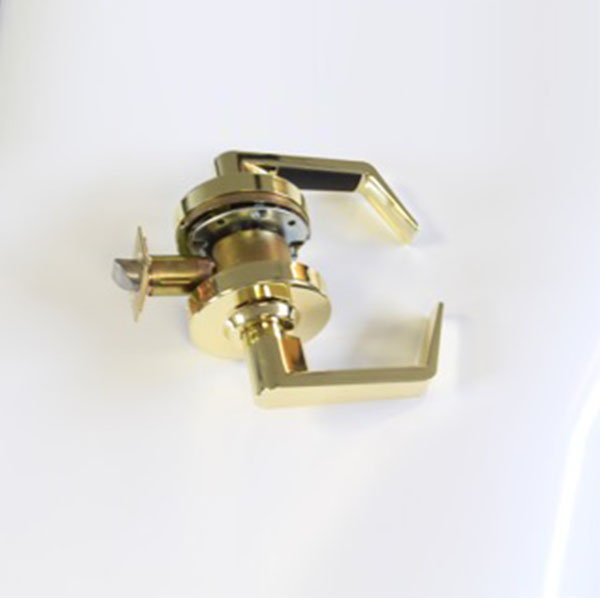
While many homeowners may attempt to tackle lock issues on their own, neglecting to recognize the specific types of locks can lead to costly mistakes. Locks like deadbolts, smart locks, and mortise locks each possess their own unique mechanisms and installation demands. Insufficient knowledge can lead to incorrect repairs or replacements, which may put security at risk. To illustrate, forcing a key into a misaligned lock risks damaging both the lock and the key, making expensive replacements necessary. Furthermore, confusing lock types can result in ineffective remedies and additional problems. To prevent these issues, homeowners should thoroughly evaluate their locks and seek the advice of a professional locksmith when unsure about their particular requirements.
Excessive Use of Lubricants
Homeowners often make the mistake of overusing lubricants on their locks, assuming that excess lubrication will keep things running smoothly. This widespread misunderstanding can result in an accumulation of too much lubricant, which draws in dust and debris, leading to locks that become difficult to operate or completely jammed. Each type of lock demands a specific kind of lubricant; as an example, graphite is frequently the top choice for pin tumbler locks, whereas silicone sprays work well for other lock types. Overapplication can also create a slippery surface that may hinder the lock's mechanism, making engagement more difficult. Far from boosting functionality, over-lubrication can necessitate costly repairs or professional locksmith intervention. Knowing the correct quantity and variety of lubricant is key to keeping locks performing at their best.
Misusing Tools Properly
Misusing tools during lock repairs can lead to frustrating outcomes and potential damage. A large number of DIY individuals overlook how critical it is to use the appropriate tool. To illustrate, substituting a screwdriver for a dedicated lock pick can result in stripped screws or broken internal mechanisms. Moreover, exerting excessive force can lead to locks jamming or becoming permanently damaged. Common mistakes include using pliers to turn a key or attempting to force a stuck lock open without proper technique. Such actions frequently lead to additional problems that require expert assistance. To avoid these pitfalls, individuals should familiarize themselves with lock mechanisms and the specific tools designed for lock repairs. When in doubt, consulting a professional locksmith can save time and prevent costly mistakes.
Questions We Often Receive
What Should I Look for When Choosing a Reputable Locksmith Service?
To select a reliable locksmith provider, you should check online reviews, verify credentials, confirm insurance coverage, and ask for recommendations. Comparing multiple options enables informed decisions, culminating in consistent and reliable service.
What Certifications Should a Professional Locksmith Have?
A reputable locksmith needs to carry credentials including the Certified Locksmith (CL) credential, the Registered Locksmith (RL) designation, and Master Locksmith (ML) from established professional organizations. These certifications reflect competence, integrity, and alignment with industry requirements, guaranteeing dependable service to customers.
Are Locksmith Services Available 24/7?
Locksmith services are often available 24/7, delivering critical support in emergency situations such as lockouts or security breaches. Many professionals prioritize accessibility, making certain that individuals can obtain support whenever required, irrespective of what time it is.
What Are the Typical Prices for Locksmith Services?
Locksmith services typically range from between $50 and $150 for routine jobs, such as lock rekeying and lockout assistance. However, specialized work and emergency services may come with additional costs, often surpassing the $200 mark subject to the nature of the work required.
Is a Locksmith Able to Assist With Electronic Security Systems?
Yes, a locksmith can help with digital security systems. Locksmiths have the technical know-how to set up, repair, and maintain various electronic security mechanisms, ensuring top-level protection and functionality for residential as well as commercial properties.